Sign up today and join our mailing list to receive the latest news, project updates, event invitations, and insights from the PRIMARY project.
Opening up biomass: steam explosion in action
Jul 6, 2026
What may look like simple plant material, whether grass, agricultural residues, or woody side streams, is in reality a highly structured and remarkably resilient biological material.
Across all feedstocks explored in PRIMARY, from grass and greenhouse residues to olive tree prunings and cotton plant residues, the biomass contains stems, leaves, and fibres that have evolved to resist breakdown. This structure protects the plant against weathering, insects, and microbial degradation, but it also makes it difficult to convert biomass through microbial fermentation, as microorganisms cannot easily access nutrients locked within these tightly packed structures.
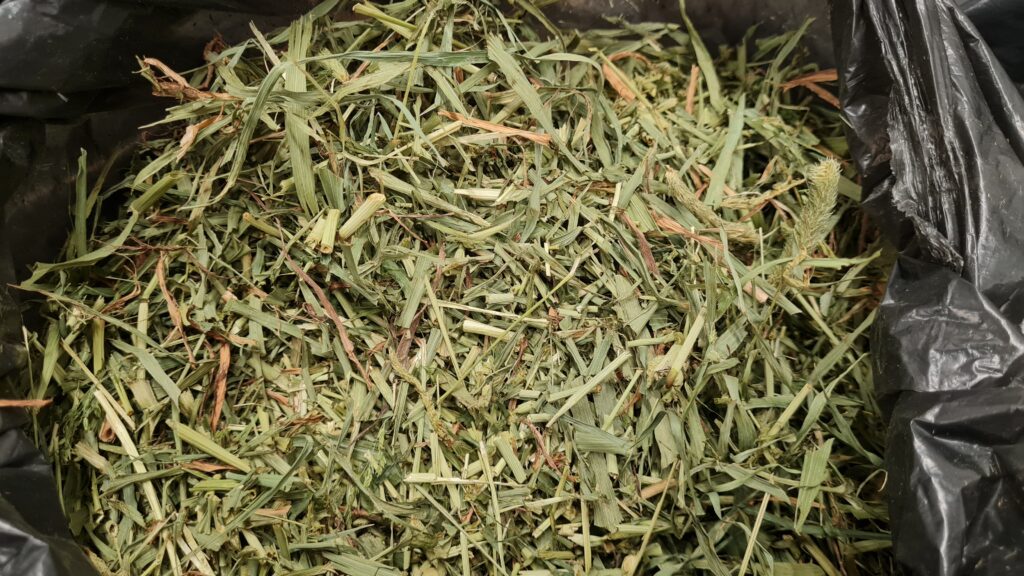
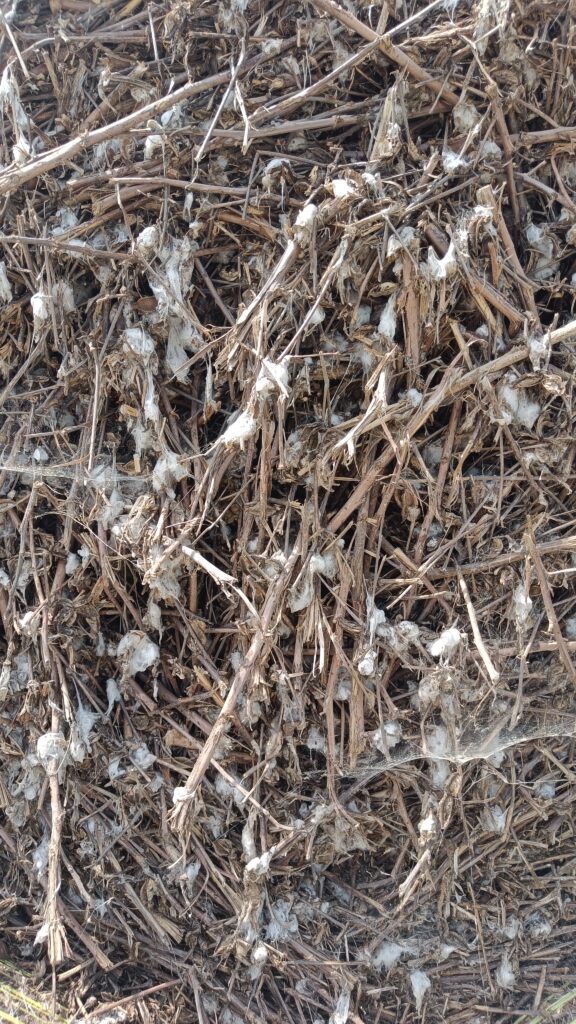
Figure 1: The starting point is dried grass (left), cotton plant residues (right), or other plant material. (Credits: Left – VTT/Hanna Hörhammer; right: VTT – Dorothee Barth)
To enable fermentation-based conversion, this structure first needs to be opened up. At VTT’s Bioruukki pilot facilities, this is done using steam explosion. Bioruukki is VTT’s pilot environment for process development and scale-up, an innovation platform for new bio-based products and circular economy solutions, where technologies can be tested using real materials and industrially relevant equipment. It has a strong focus on biomass processing and fractionation, alongside work in areas such as process chemistry, thermochemical conversion, and biomaterials, with further expansion into clean energy piloting currently underway.
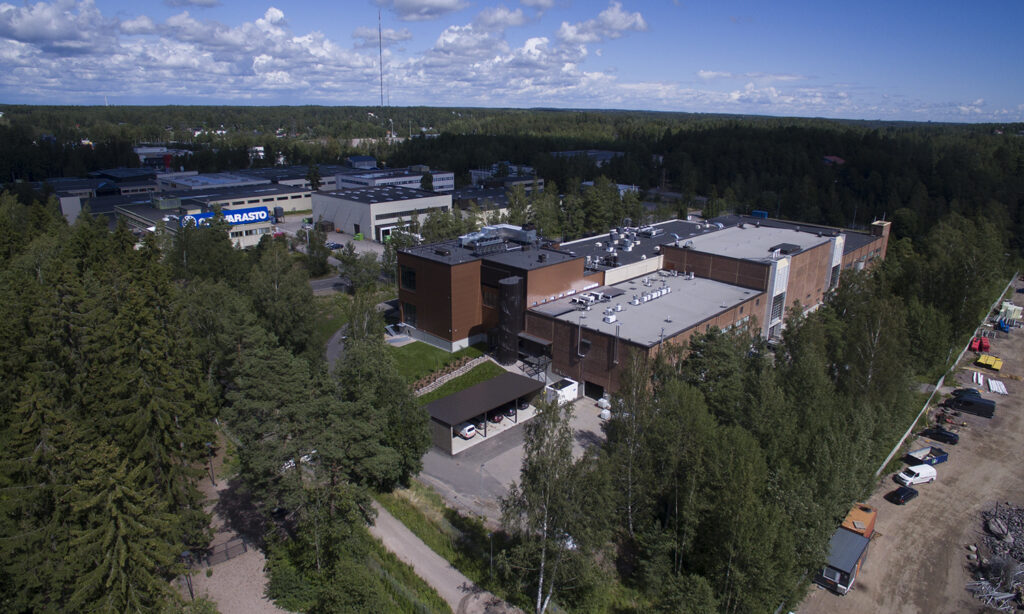
Figure 2: VTT’s Bioruukki pilot facilities. (Credit: VTT)
The name for this process, steam explosion, may sound dramatic, but it simply describes how pressure and heat are used to open up the plant material in a controlled but powerful way.
In practice, biomass is exposed to high-pressure steam and elevated temperatures for a short time, and is then rapidly released (see this short video). This sudden drop in pressure causes the material to open up from the inside, disrupting the compact structure and separating the tightly packed fibres. The aim is not to destroy the material, but to transform it into a state where its components become accessible. At the same time, the process needs to be carefully controlled to avoid the formation of unwanted or inhibitory compounds that could interfere with subsequent fermentation or product development steps.
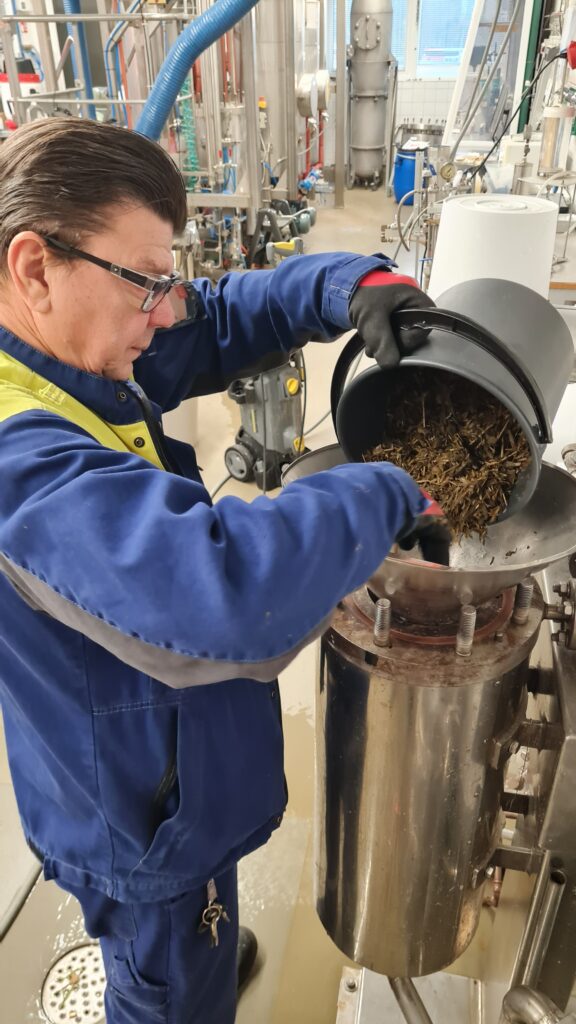
Figure 3: The sample material is filled into the reactor used for steam explosion. (Credit: VTT / Hanna Hörhammer)
Not all biomass behaves in the same way during this process. Grass and greenhouse residues are relatively flexible, and their structure is less rigid, so milder treatment conditions are often sufficient to open them up effectively. In contrast, olive tree prunings and cotton plant residues contain higher amounts of lignin, the complex compound that gives woody plants their strength and rigidity. Lignin acts as a natural barrier, making these materials especially resistant to breakdown. As a result, more intense steam explosion conditions are required to disrupt these tougher structures and make the cellulose, and the sugars it contains, accessible for the next steps.
This need to adapt the process highlights one of the key challenges in working with diverse feedstocks. There is no single set of conditions that works for all materials. Instead, parameters such as temperature, pressure, and residence time must be adjusted depending on the type of biomass. Pilot environments like Bioruukki are essential for developing and testing these conditions, allowing different feedstocks to be processed in a controlled and comparable way.
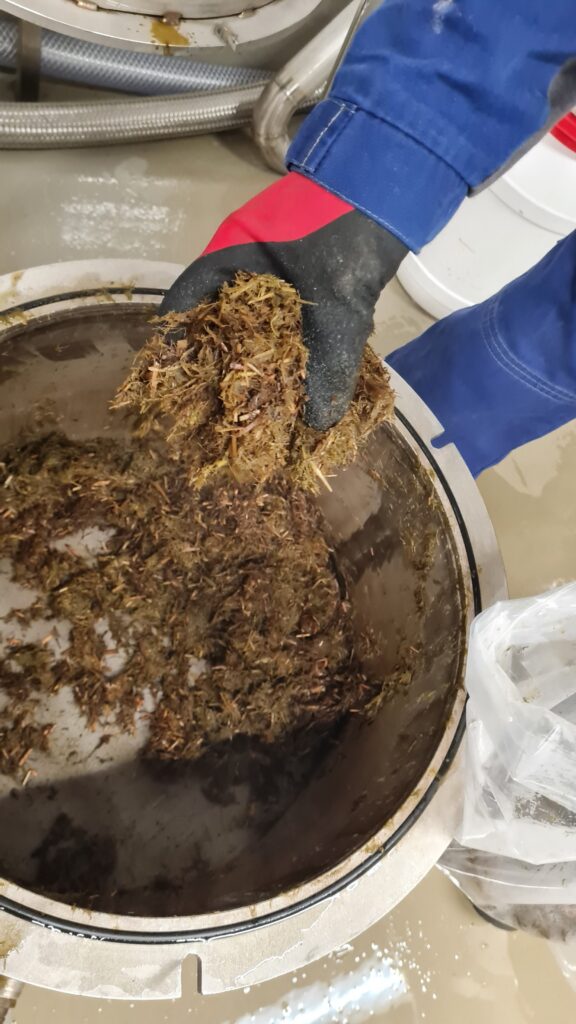
Figure 4: Dried grass sample after steam explosion. The structure has clearly changed. (Credit: VTT / Hanna Hörhammer)
The result of steam explosion is a clear change in structure. The treated biomass becomes softer, more porous, and more suitable for the further processing. Fibres that were previously tightly bound are partially separated, and key structural components such as cellulose and hemicellulose are no longer locked within the plant matrix. At the same time, the sugars themselves are still largely present in polymeric form, which means that further processing is needed to release them.
Within PRIMARY, steam explosion is one of several processing options and is particularly relevant for pathways where biomass is converted into sugars for downstream fermentation. It is therefore not used for all feedstocks or applications, but applied where opening up the material is essential for efficient biological conversion.
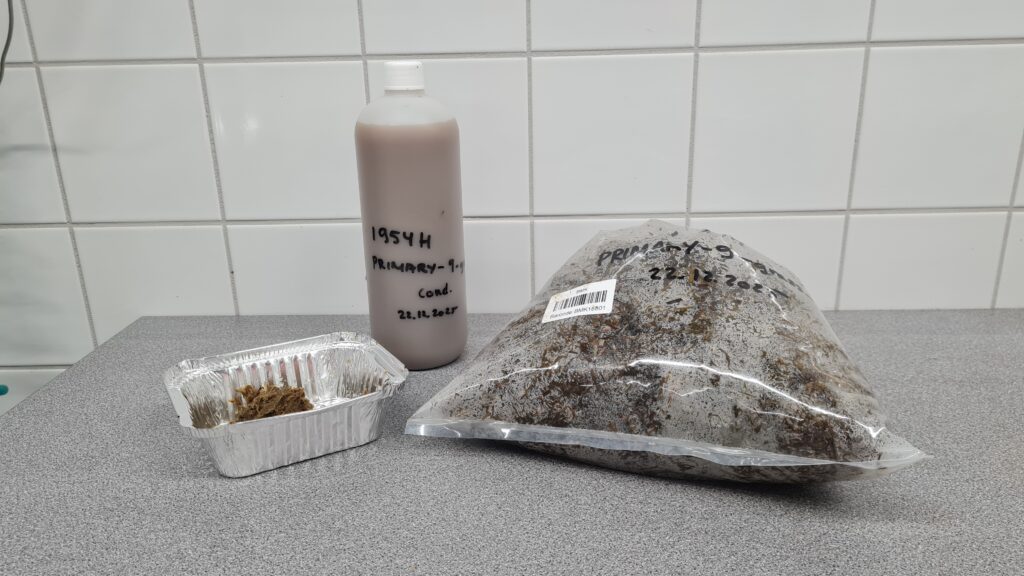
Figure 5: The processed samples – steam exploded grass and condensate collected from the process – are packed up and ready for the next steps. (Credit: VTT / Hanna Hörhammer)
The next steps build directly on this transformation. Enzymes act on the opened fibres to release fermentable sugars, and microorganisms then convert these into biomass and proteins for food and feed applications, including newer approaches such as producing specific proteins. We will explore these stages in more detail in upcoming blog posts.
Author:
VTT